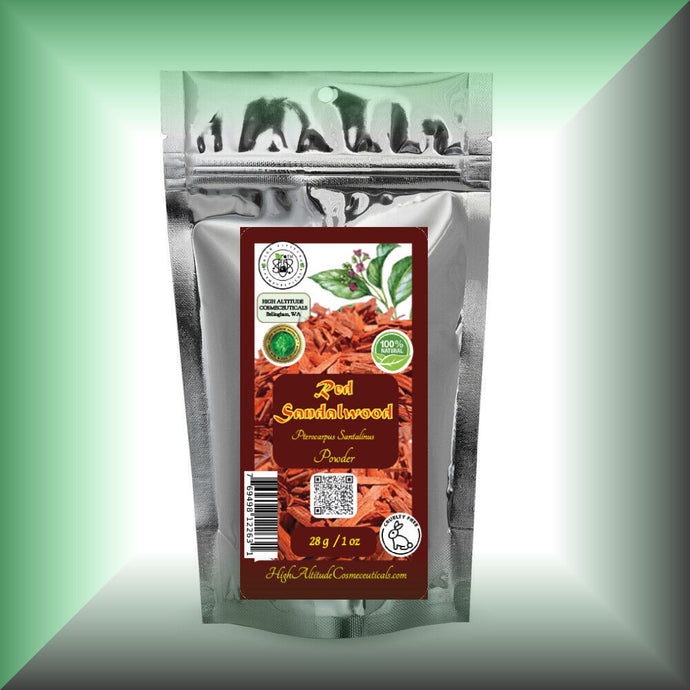
🔴 Red Sandalwood Powder (Pterocarpus santalinus) – Incense, Puja, Havan & Ritual Use
Red Sandalwood Powder (Pterocarpus santalinus), also known as Rakta Chandan Powder, Lal Chandan Powder, Red Sanders Powder, and Raktachandan, is a finely milled aromatic wood powder valued for its rich red color, woody character, and versatile use in incense, puja, havan, ritual practices, meditation, and botanical beauty preparations.
This sandalwood variety offers a soft woody, slightly sweet aroma and is primarily used as a base and blending material in loose incense, charcoal incense, dhoop, incense cones, incense sticks, havan samagri, and traditional ceremonial preparations.
Red Sandalwood has its own distinctive aromatic profile. It does not smell the same as white sandalwood (Santalum album), but offers a warm, woody character that adds depth to incense and ritual blends.
This is not an extract and not a soluble powder. It is raw powdered Red Sandalwood, ideal for incense making, charcoal burning, ritual powders, altar preparations, and external botanical beauty applications.
Ideal For:
Red sandalwood powder for incense making, loose incense, dhoop, incense cones, incense sticks, Rakta Chandan puja supplies, havan samagri, meditation, spiritual rituals, altar work, ceremonial powders, sandalwood face masks, herbal scrubs, and DIY botanical skin care.
✨ Red Sandalwood Powder Uses & Benefits
Incense Making & Aromatic Blending
- Finely milled for easy incorporation into incense mixtures
- Provides a soft woody, slightly sweet natural aroma
- Suitable for loose incense and charcoal burning
- Useful in dhoop, incense cones, and incense-stick formulations
- Adds natural red color and structure to botanical incense blends
- Combines well with resins, herbs, flowers, spices, and aromatic woods
Red Sandalwood Powder can be used alone on charcoal or blended with more aromatic materials to create layered incense compositions. Its fine texture makes it especially convenient for custom incense making and powdered ceremonial blends.
Puja, Havan & Ritual Use
- Suitable for some puja and havan preparations
- Can be incorporated into traditional havan samagri blends
- Used in meditation, prayer, altar work, and ceremonial practices
- Suitable for ritual powders and devotional incense blends
- Traditionally known as Rakta Chandan or Lal Chandan
Rakta Chandan has a long association with traditional ceremonial and spiritual practices. Exact uses differ among traditions, families, and individual practitioners.
Spiritual & Meditative Practice
- Used in practices centered on grounding and focused intention
- Suitable for meditation and devotional incense blends
- Traditionally associated with protection and purification practices
- Can be incorporated into altar and sacred-space preparations
- Provides a warm botanical presence during personal rituals
Spiritual associations are based on traditional and contemporary practices and do not guarantee any particular result.
Beauty Masks & Skin Scrubs
- Popular in Red Sandalwood face masks and herbal beauty blends
- Used in clay masks, body treatments, and gentle botanical scrubs
- Blends with hydrosols, yogurt, honey, aloe, and cosmetic clay
- Adds natural color, texture, and aroma to botanical skin-care preparations
- Suitable for formulations intended to leave skin feeling cleansed, smooth, and refreshed
A common preparation is to combine a small amount of Red Sandalwood Powder with cosmetic clay and a suitable liquid such as rose water, aloe, yogurt, or honey to form a smooth paste. Patch test the finished preparation and avoid vigorous scrubbing.
Why Choose Red Sandalwood Powder?
- Primary-use incense ingredient in a convenient powdered format
- Distinct Red Sandalwood variety with its own aromatic character
- Easy to measure, blend, and customize
- Suitable for incense, puja, havan, ritual, and botanical beauty use
- Provides natural red color and fine wood texture
- Complements Red Sandalwood Chips in custom incense preparations
Suggested Incense Blending Partners
-
Resins: Frankincense, myrrh, benzoin, copal, and damar
-
Woods: White sandalwood, cedarwood, agarwood, and palo santo
-
Herbs & Flowers: Rose petals, lavender, rosemary, tulsi, and patchouli
-
Spices: Cinnamon, clove, cardamom, and star anise
-
Incense-Making Materials: Makko powder, botanical gums, and other appropriate binders
Begin with small test batches to determine the preferred aroma, texture, burning performance, and amount of binder for the intended incense format.
🌿 Red Sandalwood Powder Specs
-
Product Name: Red Sandalwood Powder
-
Botanical Name: Pterocarpus santalinus
-
Common Names: Red Sandalwood, Red Sanders, Rakta Chandan, Lal Chandan, Raktachandan
-
Product Type: Fine aromatic wood powder
-
Material: Powdered Red Sandalwood wood
-
Color: Deep red to reddish-brown
-
Aroma: Soft, woody, warm, and slightly sweet
-
Solubility: Not soluble; raw botanical powder
-
Primary Use: Incense making, charcoal burning, puja, havan, meditation, and ritual preparations
-
Other Uses: Face masks, herbal scrubs, botanical beauty blends, crafts, and extraction
-
Not Intended For: Internal use or consumption
🌿 Ingredients
100% Red Sandalwood Powder (Pterocarpus santalinus).
🌿 How To Use
For loose incense:
Place a small amount on a fully heated charcoal tablet in a heat-safe burner or combine it with resins, herbs, flowers, spices, and powdered aromatic woods.
For incense cones, sticks, or dhoop:
Blend with the selected aromatic ingredients and an appropriate incense binder. Begin with a small test batch to evaluate texture, burning performance, and aroma before larger-scale production.
For puja or havan:
Use according to the customs and instructions of your individual spiritual or cultural tradition. The powder may be combined with other appropriate materials in ceremonial incense or havan samagri.
For ritual use:
Use in incense blends, ceremonial powders, altar preparations, meditation, prayer, or devotional practices.
For face masks:
Mix a small amount with cosmetic clay and a suitable liquid such as rose water, hydrosol, aloe, yogurt, or honey until a smooth paste forms. Apply to clean skin, leave on briefly without allowing the mask to become excessively dry, and rinse thoroughly.
For skin scrubs:
Blend with clay, oat powder, or another gentle cosmetic base and add a suitable liquid. Massage lightly onto damp skin without vigorous rubbing, then rinse thoroughly.
For extraction:
Experienced botanical formulators may use Red Sandalwood Powder for appropriate extraction projects. Research and test the selected extraction method before use.
⚠️ Warnings & Care
For external aromatic, ritual, cosmetic, formulation, and craft use only. Not for internal use or consumption. Do not use as food, tea, medicine, or a dietary supplement.
For incense use, burn only in a well-ventilated area using proper incense-burning equipment on a stable, heat-resistant surface. Do not inhale smoke or airborne powder directly.
Never leave burning charcoal or incense unattended. Keep away from flammable materials, children, and pets. Charcoal and burners may remain hot after visible burning has stopped.
Avoid contact with eyes and mucous membranes. Avoid inhaling loose powder. Patch test finished topical preparations before broader use. Do not apply to broken, irritated, or highly sensitive skin. Red botanical pigments may temporarily stain skin, fabric, tools, or surfaces.
This is a raw botanical powder and is not intended to dissolve like an extract powder. Store tightly closed in a cool, dry place away from moisture, heat, and direct light.
❓ Red Sandalwood Powder FAQs
What is Red Sandalwood Powder?
Red Sandalwood Powder is finely ground aromatic wood from Pterocarpus santalinus. It is primarily used for incense making, charcoal burning, puja, havan, meditation, ritual preparations, and botanical beauty blends.
Are Red Sandalwood Powder and Rakta Chandan Powder the same?
Yes. Rakta Chandan Powder, Lal Chandan Powder, and Raktachandan commonly refer to Red Sandalwood Powder from Pterocarpus santalinus.
Can Red Sandalwood Powder be used as incense?
Yes. It can be placed in small amounts on heated charcoal or blended with resins, herbs, spices, flowers, and aromatic woods to create custom loose-incense mixtures.
Can Red Sandalwood Powder be used to make incense cones or sticks?
Yes. It may be included in incense-cone, incense-stick, or dhoop formulations with appropriate aromatic materials and a suitable incense binder. Small-batch testing is recommended to evaluate texture and burning performance.
What does Red Sandalwood Powder smell like?
Red Sandalwood Powder has a soft, woody, warm aroma with a slightly sweet undertone. Its scent is distinct from the creamy aroma of white sandalwood and contributes its own botanical character to incense blends.
Does Red Sandalwood smell the same as white sandalwood?
No. Red Sandalwood (Pterocarpus santalinus) and white sandalwood (Santalum album) have different aromatic profiles. Red Sandalwood has its own woody, warm, slightly sweet character.
Can Red Sandalwood Powder be used for puja or havan?
Yes. Red Sandalwood Powder may be incorporated into puja, havan, and ceremonial preparations according to the customs of the practitioner’s tradition. It may be used alone or combined with other havan samagri.
What are the spiritual uses of Red Sandalwood Powder?
Red Sandalwood is used in some traditional and contemporary practices involving puja, havan, meditation, prayer, altar offerings, grounding, purification, protection, devotion, and focused intention. Exact meanings and methods vary among traditions and practitioners.
How do I use Red Sandalwood Powder for a face mask?
Mix a small amount with cosmetic clay and a suitable liquid such as rose water, hydrosol, aloe, yogurt, or honey to create a smooth paste. Apply to clean skin, leave on briefly, rinse thoroughly, and discontinue use if irritation develops.
What are the cosmetic benefits of Red Sandalwood Powder?
In botanical beauty preparations, Red Sandalwood Powder adds natural color, texture, aroma, and gentle physical polishing. It is suitable for formulations intended to leave skin feeling cleansed, smooth, and refreshed without making medical or therapeutic claims.
Is this the same as Sandalwood Extract Powder?
No. This product is raw, finely powdered Red Sandalwood wood. It is not a concentrated extract and will not dissolve like a soluble cosmetic extract powder.
Can Red Sandalwood Powder stain?
Its natural red pigments may temporarily stain skin, fabric, tools, work surfaces, or formulation equipment. Use protective coverings and test a small amount before broader use.
🔍 Compare Sandalwood Formats
| Format |
Best For |
How To Use |
Sandalwood Powder
Santalum album
|
Incense, face masks, scrubs, and ritual use |
Use for incense by placing on charcoal or blending into incense mixtures. For skin care, mix with water, hydrosols, honey, yogurt, aloe, or clay to create masks and scrubs. |
Red Sandalwood Powder
Pterocarpus santalinus
|
Incense making, puja, havan, ritual powders, masks, and scrubs |
Use as a base or blending powder for incense mixtures or place on charcoal. It may also be incorporated into ceremonial preparations and appropriately formulated masks or scrubs. |
Red Sandalwood Chips
Pterocarpus santalinus
|
Charcoal burning, incense, meditation, puja, havan, and altar use |
Place directly on a heated charcoal tablet in a heat-safe burner or combine with resins, herbs, flowers, spices, and aromatic woods. |
Sandalwood Extract Powder
Santalum album
|
Skin-care formulation, creams, lotions, serums, gels, and scalp care |
Dilute or disperse according to its formulation specifications, then incorporate into compatible cosmetic systems. It is not intended for incense use or as a standalone mask base. |
Quick Recommendation:
Choose Sandalwood Powder (Santalum album) for aromatic incense and direct-use masks, Red Sandalwood Powder (Pterocarpus santalinus) for incense making, puja, havan, ritual powders, and herbal masks, and Red Sandalwood Chips (Pterocarpus santalinus) for direct charcoal burning, ceremonial incense, meditation, and altar use.
 Shop discounts | 15% Off First Order* | Free U.S. Shipping $50+|🌲Kickstarter project info